On AI, artistry, and what gets lost when creation becomes frictionless
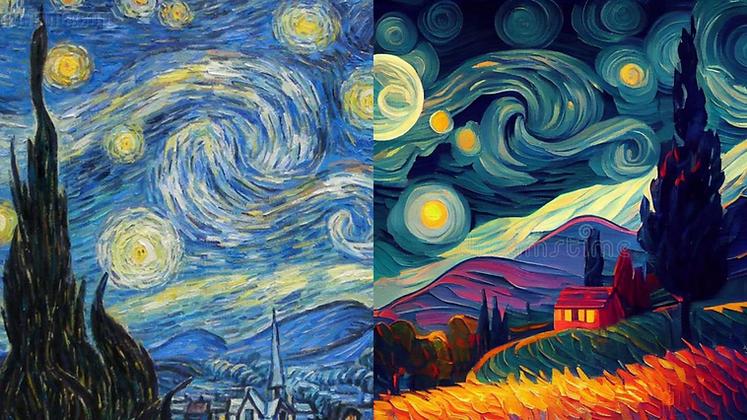
Walk through any digital gallery today and you will encounter it: the uncanny sheen of what critics have started calling AI slop. Ghibli-style landscapes that lack Miyazaki’s soul.
Hyper-saturated, multi-limbed avatars clogging feeds. In 2026, AI is no longer a futuristic concept. It is a messy, intrusive, and inescapable part of the creative landscape.
The primary grievance within the art community is not automation alone. It is industrial-scale borrowing without consent. When an algorithm mimics the hand-painted aesthetic of
Studio Ghibli, it is not paying homage. It is producing a hollow facsimile of work it never earned the right to make. For young creators who spend years perfecting a single brushstroke, watching a prompt engineer claim artistry can feel like a slow heist.
“We are witnessing the commodification of vibe over craft.”
Beyond the canvas, AI has entered the political arena. From deepfake campaign videos to
AI-generated satire indistinguishable from fact, the line between reality and fabrication has dissolved. This generation, raised on the internet, is often better equipped than most to spot a fake. Yet the sheer volume of synthetic content creates something more corrosive than confusion: a fatigue of trust.

The paradox of convenience
The relationship between young artists and AI is genuinely paradoxical. On one hand, there is real resistance: the Human Made badge, boycotts of AI-integrated platforms, a visible return to lo-fi mediums — film photography, physical zines, handmade objects. There is a hunger for the glitch, the beautiful imperfection that AI consistently smooths away.
On the other hand, convenience is powerful. AI tools are used for brainstorming, meme-making, and aesthetic exploration by people who have the vision but lack the technical training. This is the genuinely difficult part: the same technology that threatens to devalue craft also democratises creation for people who would otherwise have no entry point.

Toward a silicon pact
What would a fair middle ground look like? At minimum: radical transparency. If a machine touches the canvas, the viewer deserves to know. Beyond that, a shift in cultural value — away from instant output and back toward the gruelling, beautiful process of creation. AI as a tool for technical heavy-lifting: lighting, colour modelling, structural brainstorming. The final emotional core — the decisions that make a work feel human — left strictly to human hands.
The question is not whether AI will be part of the creative process — it already is. The question is whether we remain the architects of that process, or whether we slowly become its audience. For young artists in Bengaluru and beyond, that question is being answered right now, in every choice about what to make, how to make it, and why the making matters at all.
“The goal is not to return to the 19th century. It is to ensure that in our rush toward the future, we don’t trade our collective creative spirit for a faster render.”